Botanic Garden and Attenborough Arboretum
Habitats and Adaptations
KS2 and year 2 versions supporting the Science Curriculum
The Habitats and Adaptations programme is a series of activities that explores, compares and contrasts different habitats at the Botanic Garden.
KS2
The temperature is measured and compared in the different habitats.
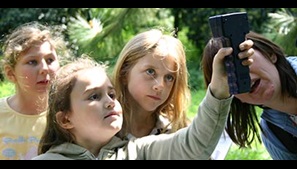 Minibeast hunting in micro-habitats
- Woodland - Year 3 to undertake bark and leaf rubbing. Years 4 to 6 compare light levels and number of species under evergreen and deciduous trees.
- Pond dipping - using nets to find and identify animals.
- Alpine glasshouse - looking at plant adaptations in high mountains.
- Desert glasshouse - finding adaptations to little water.
- Tropical rainforest glasshouse - adaptations in plants for low light and excess water.
Year 2
- Minibeast hunting in micro-habitats.
- Woodland - undertake bark and leaf rubbing.
- Pond dipping - using nets to find and identify animals.
- Desert glasshouse - see adaptations when there is little water and draw cacti pictures in sand.
- Tropical rainforest glasshouse - match items to the plants that are used to make them.
The programme includes an introduction and a member of our staff to support you throughout the day with pond dipping. You will receive the worksheets for the year group of children you have booked, to allow photocopying.
Teachers who have already taken part in this programme have said how relevant the activities are to the curriculum, and how much the children have learnt.
- Availability: March to November
- Age group: Years 2 to 6
- Numbers: Up to two classes per day (70 maximum)
- Duration: A 20-30 minute taught introduction, followed by 30 minutes in each of the five or six habitats.
- Organisation: The children need to be organised in at least three groups for one class, and in five or six small groups for two classes - each accompanied by an adult provided by the school
- Cost: Please visit our programme costs page