LD3
People
The Management Team
The Management Team has the primary responsibility for the delivery and project monitoring of the LD3 project portfolio, for the overall financial management of the IAA schemes and management of resources within the LD3 Research Team.
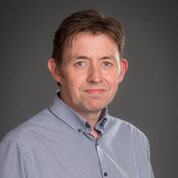 Professor Don J.L. Jones - Co-director
- Head of School of Medicine
- Interim Head of Department of Genetics, Genomics and Cancer Sciences
- Professor in Translational Biomarkers
- Co-Director of the John and Lucille van Geest Biomarker Facility
- Part of the precision medicine cross cutting theme of the NIHR-Biomedical Research Centre
Learn more about Professor Jones
Professor Jacqui Shaw - Co-director
- Head of the College of Life Sciences
- Professor of Translational Cancer Genetics
- Extensive expertise in innovative blood-based tests for monitoring breast and lung cancers, known as liquid biopsies
- Co Theme Lead for Personalised Cancer Prevention and Treatment at the BRC
Learn more about Professor Shaw
Professor Chris Brightling - Co-director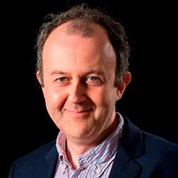
- NIHR Senior Investigator and Clinical Professor in Respiratory Medicine
- Fellow of the Academy of Medical Sciences and NIHR Senior Investigator
- Deputy Director NIHR Biomedical Research Centre: Leicester
- Respiratory Theme Lead for Leicester NIHR-Biomedical Research Centre co-ordinates the MRC Molecular Pathology Node EMBER and is the Respiratory lead for the IMI 3TR.
- National lead for the post-COVID consortium PHOSP-COVID and local research lead for the COVID-19 pandemic.
Learn more about Professor Brightling
Dr Lynne Howells - LD3 Manager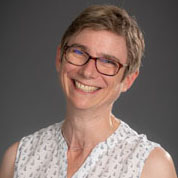
Lynne joined the LD3 management team on 1 August 2022 and has recently started as the lead for Enterprise and Commercialisation for the College of Life Sciences. She will work with LD3 Directors to ensure the delivery of the MRC Confidence in Concept (CiC) and Impact Acceleration Accounts (IAA) schemes. Our key aim is to build on our strengths, adopting and supporting translation of innovative treatments, diagnostics and technologies, driving both academic collaboration and commercial opportunity.
Lynne obtained her PhD studying the mechanisms of action of anti-cancer agents at the University of Leicester. Her subsequent oncology-based research at the MRC Toxicology Unit, Department of Cancer Studies, and latterly, the Leicester Cancer Research Centre, has focussed on mechanism-driven in vitro cell signalling methodologies, in vivo pharmacokinetics, ex vivo patient-derived models, method validation, quality management and design and set-up of clinical trials. For the last 15 years, Lynne has had an active role in the Cancer Research UK/NIHR Experimental Cancer Medicine Centre (ECMC) Network, facilitating and managing translational research across the Leicester Cancer Research Centre, working closely with academic and University Hospitals of Leicester (UHL) colleagues, Hope Cancer Trials Centre, Patient and Carer Groups, and ECMC network partners.
Dr Carl Edwards - Commercial Manager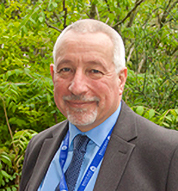
Carl Joined IPH as Commercial Manager in January 2018 and became LD3 manager in December 2020. He is responsible for engaging with commercial partners and facilitating industry led research collaborations in precision medicine. He is also providing IP and commercialisation advice to IPH members, assisting in building a broad base of collaborations for LMPI. Carl is the UK lead for the CODEX4SME European programme to assist SMEs in developing companion diagnostics, providing networking events and access to clinical experts as part of the package of support. Carl is an experienced commercial development manager working with pharmaceutical, medical devices and venture capital companies. Carl was also Director of NHS Innovations East Midlands, responsible for IP exploitation from all NHS Trusts and was an NHS Ethics Committee Chair for 15 years.
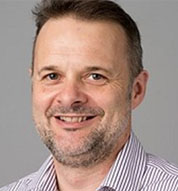 Dr Tim Hammonds - LD3 Collaborator and Entrepreneur in Residence
Tim originally joined the University as a Royal Society Entrepreneur in Residence and comes with over 25 years’ experience in collaborative translational research. This experience has been almost wholly gained in what is traditionally known as the ‘valley of death’, the translational space directly between academia and industry where the analysis, choice, funding and prosecution of ideas is seen as both difficult and high risk.
Tim works closely with the Institute for Precision health and Leicester Drug Discovery team, facilitating dialogue and understanding between industry and academia to facilitate high impact collaborative research.
LD3 Research Team
LD3 has dedicated staff with managerial and scientific expertise, who oversee projects and conduct laboratory work in state-of-the art labs.
Dr Karen Bowman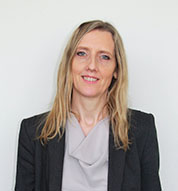
Karen joined LD3 in March 2015 and is expert in cell-based assay compound screening, DNA damage and repair and in vitro, cellular and ex vivo assay development. Karen was part of the pre-clinical discovery team at the University of Newcastle upon Tyne to discover and develop the anti-cancer agent Rucaparib (brand name Rubraca® commercialised by Clovis Oncology) a first-in-class pharmaceutical drug targeting the DNA repair enzyme poly-ADP ribose polymerase-1 (PARP-1). Karen project manages LD3 supported projects over multiple therapeutic areas such as cardiovascular disease, diabetes, oncology, and lung disease.
Dr Sian Evans 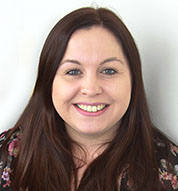
Sian joined LD3 in 2015 to support a Discovery Fast Track Challenge involving the University of Leicester, LD3 and GlaxoSmithKline (GSK). This initiative led to a Discovery Partnerships with Academia (DPAc) collaboration focused on developing molecules that target the BCL6 transcriptional repression complex in Diffuse Large B-Cell Lymphoma (DLBCL).
With more than 13 years of experience in biomedical research, Sian has worked across multiple disease areas, including oncology and respiratory research. Her expertise covers assay development, primary cell and cell line culture, molecular and cellular biology, recombinant protein expression and characterisation, and a broad range of biochemical and biophysical techniques.
Her current work centres on patient-derived tumour explant (PDE) models for translational cancer research and drug discovery. As part of the INTREPID programme, she supports the development and validation of clinically relevant explant models and other human-relevant approaches to cancer research. Her specialist skills include human tumour tissue culture, high-plex spatial profiling using the Akoya PhenoCycler platform, digital pathology and image analysis with Visiopharm, and statistical analysis, data analysis, and data visualisation using R.
Dr Chitra Seewooruthun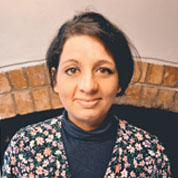
Chitra Joined the LD3 team in Jan 2023 as the structural biologist. Chitra's work has involved developing early-stage small molecules and therapeutics across a network of interdisciplinary research groups. She provides expertise in protein expression, purification, biophysical characterisation, and structural biology in cross-collaborations across the university and with external partners. Her previous identified novel sites for small molecules on target proteins using conformational locking VHHs. Chitra has also been part of the CRUK accelerator with collaborators in Glasgow, the Institute of Cancer Research, Manchester, and the AstraZeneca Antibody Alliance Lab.
Dr Richard Haigh 
Richard joined LD3 in May 2024.He has over 30 years of microbiology experience working with multiple pathogenic and non-pathogenic bacterial species, at both Cat2 and Cat3 (e.g. Mycobacterium tuberculosis), mainly in the areas of intestinal and respiratory infections. Richard has expertise in a wide range of molecular biology and protein techniques, and has designed several cell culture infection models; he was responsible for setting up the University’s lab for propagating SARS-CoV-2 virus during the pandemic. During the last 15 years he has contributed to dozens of Next Generation Sequencing projects, either in project development/management, sample collection and preparation, or undertaking bioinformatic analyses. These projects have included large-scale bacterial whole genome sequencing (Illumina, PacBio), and 16S microbiomics, metagenomics and RNA-seq from human/animal samples.