Leicester scientists put food security in the spotlight with new video at COP31
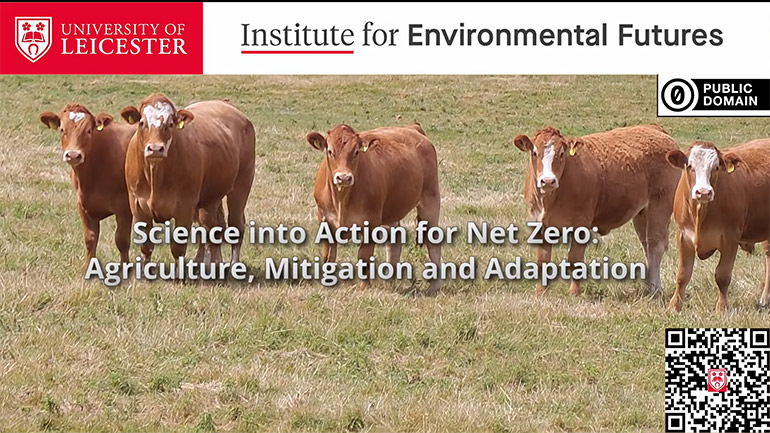


A new video from University of Leicester genetics researchers will highlight the vital role of science in our food security to visitors at COP31 this month.
‘Science into Action for Net Zero: Agriculture, Adaptation and Mitigation’ has been produced by the University of Leicester’s Professor Pat Heslop-Harrison and showcases how research can help farmers produce reliable food while responding to changing growing conditions, pests and diseases.
It will be featured as part of the UK COP31 Digital Showcasing Programme, one of only two from UK universities, and displayed on a large screen in the networking areas of the UK Pavilion within the UNFCCC accredited Blue Zone.
For most of us, the solution to world hunger has been obvious – grow more food. Today, farming is feeding us better than ever, but at a huge cost to the planet. Population growth is slowing outside of Africa, easing the demand on our food systems.
Sustainable production is the priority. Climate change threatens our food systems by making growing conditions more challenging and unpredictable, nurturing new diseases, encouraging new pests, and more. Mitigation and adaptation are essential for our food security.
But there is a wealth of science finding ways to tackle these issues, whether by making a farmer's crops immune to disease, or that provide a higher yield, or grasses that provide more sustainable food for cattle.
At COP31, Professor Heslop-Harrison will be making the case for science to be at the heart of climate adaptation and mitigation policy, to show that the imperative is shifting to growing food sustainably: not more food, but food we can depend upon.

Professor Pat Heslop-Harrison from the Department of Genetics and Genome Biology said: “COP31 is a global platform where we can show the impact of our research in looking at the genetics and types of crops that have potential to ensure that food production adapts to a changing climate but its effect on the environment is minimised.
“Agriculture and land use can also mitigate climate change, even going below net-zero and not only minimising greenhouse gas emissions but actually sequestering carbon in our soils. COP31, and the teaching we do in Leicester, is also a terrific way for working with the next generation who will be so affected by a changing world.”
Nine Leicester researchers will be heading to COP31 this year, held in Antalya, Türkiye from 9 to 20 November, to promote their research spanning Earth observation, sustainable land management, climate resilience, green finance and food security. They will be contributing to exhibitions, panel discussions and events, including in the conference’s Blue Zone, presenting practical ways in which science, finance and digital innovation can support global climate action.