New toolkit aims to improve diagnosis and treatment of life-threatening infections
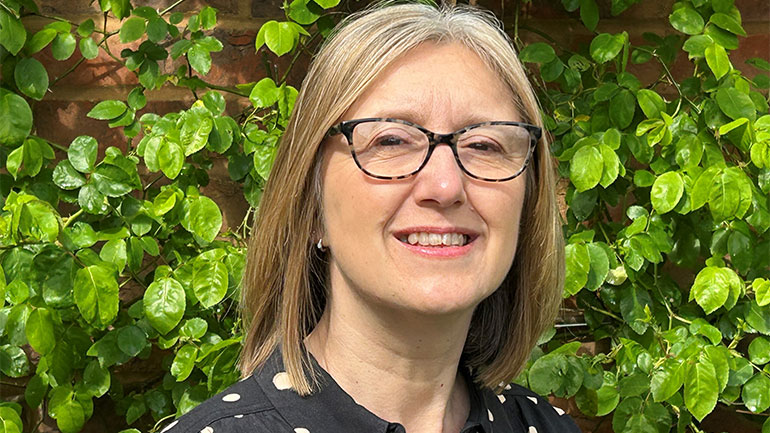
Professor Carolyn Tarrant


Leicester researchers have launched a new toolkit to help make sure patients have their blood samples taken when needed, to test for infections in emergency care.
Blood cultures help doctors diagnose serious infections such as sepsis and work out which antibiotics are most likely to treat them. This can help patients get the right antibiotics sooner and avoid unnecessary treatment, without contributing to the growing problem of antibiotic resistance.
Funding from the National Institute for Health and Care Research (NIHR) was used to develop the toolkit as part of a research study conducted across three NHS Hospital trusts, which looked at the best ways to integrate taking blood samples as an emergency care priority.
Ideally, blood samples should be taken before antibiotics are given, as this gives doctors the best chance of identifying the infection. However, up to half of adults given antibiotics in emergency departments do not have blood cultures taken when treatment starts.
The launch coincides with World AMR Awareness Week running from November 18-24 which aims to raise global awareness of antimicrobial resistance (AMR) and promote best practices to stop drug-resistant infections from emerging and spreading in people, animals, plants, and the environment.
The toolkit provides a practical approach to help hospital teams select, adapt and implement improvements to blood culture sampling in emergency departments with background evidence, practical improvement methods, and 11 ready-to-adapt intervention prototypes to support improvement.
Carolyn Tarrant, Professor of Health Services Research at the University of Leicester, who led the toolkit development through the I-SAMPLE project explained: “Blood cultures can tell us whether a patient has a serious infection and help doctors choose the right antibiotics to treat it. Although taking blood cultures is a routine task, our research identified common challenges. We found that in busy emergency departments, blood tests for infection can be overlooked as staff juggle urgent demands, particularly when patients do not have obvious signs of infection. Gaps in communication and coordination of sample taking, and limited feedback on how the tests help patients can make it harder to get them done consistently and well.
“Our toolkit gives busy hospital staff an easy-to-use resource, to help them identify things that can be easily changed to improve practice.”
The toolkit is freely available to download from the study website and is intended to complement national efforts and resources aiming to improve blood sampling for patient care and antimicrobial stewardship.
Professor Tarrant added: “Going forward we want to encourage hospitals to use the toolkit, and we will study how it is taken up and used.”
Professor Alastair Denniston, Director of the NIHR Health and Social Care Delivery Research (HSDR) Programme, said: "The toolkit the study team has designed could save lives by helping emergency care professionals optimise their use of blood tests to diagnose and treat serious infections, like sepsis.
"World AMR Awareness Week highlights why it's absolutely vital the NIHR funds studies like this, as we play a crucial part in the fight against the global threat of antimicrobial resistance."
The University’s Attenborough Tower will be lit up on 18 November as part of World AMR Awareness Week.