New study shows that broader DNA testing is needed to diagnose complex eye conditions
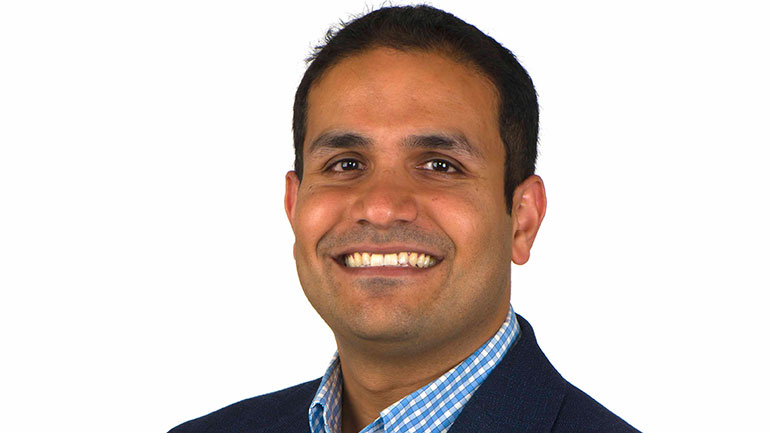
Dr Mervyn Thomas




A new study by University of Leicester experts shows that complex eye conditions can be diagnosed much earlier through genome-wide testing.
Researchers found that using full genome testing increases the chances of finding the exact genetic cause, so families receive a diagnosis sooner instead of going through years of uncertainty.
Funding support for the study came from the National Institute for Health and Care Research (NIHR), the Ulverscroft Foundation, medical charity Fight for Sight and the Medical Research Council with findings newly published in NPJ Genomic Medicine.
Led by the University’s Dr Mervyn Thomas and Dr Mahmoud Fassad, the study team combined advanced clinical data with state of the art whole-genome sequencing (WGS) data from Genomic England's landmark 100,000 Genomes Project.
The resarchers analysed data from around 473 individuals across 388 families – the largest cohort of its kind ever investigated with whole-genome sequencing. This enabled the team to successfully identify the precise genetic causes for nearly half of the participants and proved particularly useful for complex eye conditions including infantile nystagmus and albinism.
Genome-wide testing was able to pick up causes that standard tests miss, reducing the risk of misdiagnosis with precise genetic answers given for 46% of all participants (218 individuals). Crucially, it allowed the team to look outside the standard gene panel boundaries.
They found that 45 families had mutations in 36 off-panel genes (those not included in typical diagnostic tests). Without genome-wide testing, these diagnoses would remain hidden.
Researchers also found that a pattern in the TYR gene, called the “cis YQ” haplotype, is frequently overlooked by standard tests, but turned out to be the most common cause of the disease in the study group.
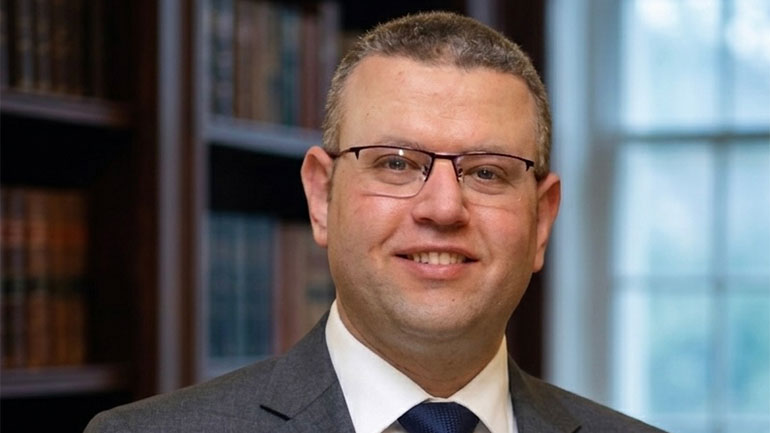
Dr Mahmoud Fassad
Dr Fassad said: “These results show that using full genome testing can save patients months and even years of misery when it comes to diagnosing complex eye conditions. Knowing the exact gene involved can alert doctors to related health issues such as significant refractive errors (astigmatism and near/farsightedness), squint (strabismus), and, in some cases, hearing loss and developmental delays.
“It means that patients can be checked and supported earlier and families get clearer information about inheritance and the chances of the condition occurring in future children.”
Infantile nystagmus is a condition in which the eyes make uncontrolled rhythmic movements, which typically start just after birth or during the first six months of life. The condition affects about six in every 10,000 infants and can cause severe visual impairment as the eyes cannot remain still enough to focus clearly. Nystagmus is frequently linked to albinism - a group of genetic conditions affecting the production of melanin pigment in the eyes, skin, and hair.
In albinism, the lack of pigment disrupts the normal development of the eye, including a key area of sharp central vision called the fovea. Together, infantile nystagmus and albinism represent some of the most genetically complex conditions affecting children's vision.
Dr Thomas added: “Broader DNA testing such as that of this study can give patients and families more answers, sooner, and help guide better care. A precise genetic diagnosis will also make it easier to join research studies or benefit from new targeted therapies as they are developed.
“This study showed that the genetic architecture of infantile nystagmus and albinism is far more complex than previously appreciated and therefore standard gene panels are simply not enough.
“The breadth of diagnoses found, including rare syndromes and dual diagnoses, makes a compelling case for whole-genome sequencing as the first-line diagnostic tool. This study also demonstrated the immense value of Genomic England's National Genomic Research Library as a research platform, enabling analysis at a scale not previously possible for rare eye diseases.”
Fight for Sight Director Eleanor Southwood said: "This study is a landmark moment for children with Infantile Nystagmus and their families. We’re delighted to have worked with the Nystagmus Network over the last decade to support vital research that is now moving into this next phase, where it can make a direct difference to patients.
"Advances in gene sequencing are making it easier to understand the cause of the condition, access to counselling and support are improving and this should help families better understand and manage Infantile Nystagmus. Congratulations to the team for getting this far and we look forward to the next phase of this work."