Getting stuck into mucus to find new treatments for severe asthma
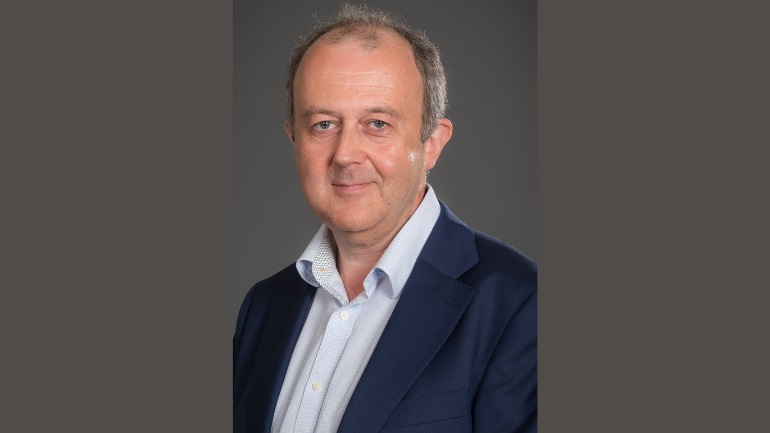
Professor Chris Brightling




Leicester is among an international group of experts in respiratory medicine to receive funding to better understand how mucus is controlled in the lungs and how this contributes to severe asthma.
It’s hoped the findings could lead to the development of new treatments for millions of people worldwide.
The team of researchers, led by Professor Ian Sayers in the School of Medicine in the Biodiscovery Institute at the University of Nottingham, has been awarded a £3 million Medical Research Council (MRC) Programme Grant.
The group is a collaboration of experts from the Universities of Nottingham, Leicester, Manchester, Leeds, Imperial College London and the biopharmaceutical company AstraZeneca.
Asthma is a common lung condition with symptoms such as shortness of breath, wheezing, coughing and chest tightness. Approximately 10% of people with asthma suffer from a severe form of the disease. They may struggle to control their symptoms despite high levels of medications, resulting in a lower quality of life, risk of hospitalisation and even death. New therapies are needed for this group of patients.
The lungs produce the jelly-like substance, mucus, that acts as a gatekeeper controlling access of harmful agents, such as microbes and toxins, into the body by trapping and removing them via the action of airway epithelial cells. However, in asthma, a build-up of mucus with abnormal properties can plug the airways, making symptoms worse, which is known as an exacerbation.
Framework of mucus is provided by large molecules called mucins. In the lung there are two types of mucin (MUC5AC and MUC5B). This group of researchers, along with others, have already shown that MUC5AC is increased in airway mucus in asthma. Importantly, they have identified genetic changes near the genes encoding MUC5AC and MUC5B that alter the levels of these genes and affect the risk of severe asthma.
Chris Brightling, NIHR Senior Investigator and Clinical Professor in Respiratory Medicine at the University of Leicester, said: “Mucus plugging of airways in asthma has been recognised as a major problem for over 100 years. This new research will help us to unravel why some people with asthma produce excessive sticky mucus in their airways, how we can better test for it and develop new treatments.”
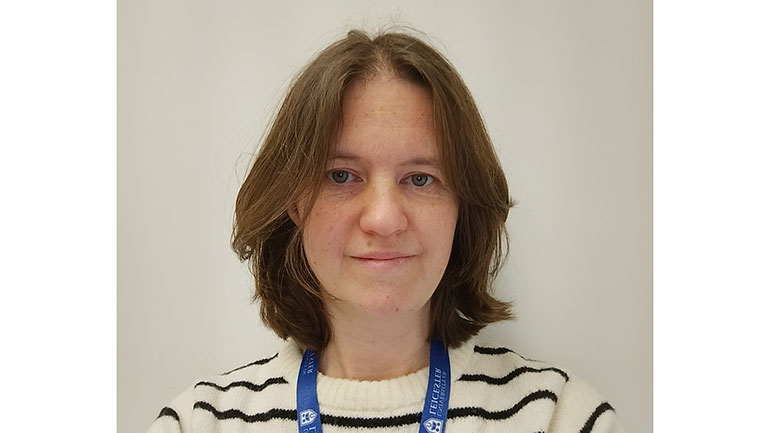
Katherine Fawcett
Katherine Fawcett, lecturer in Genetic Epidemiology at the University of Leicester, said: “Genetic changes that increase the risk of severe asthma can offer important insights into how the disease starts and develops. We’re using advanced tools to study genetic changes in and around the MUC5AC and MUC5B genes in asthma patients to better understand their condition and how to treat it.”
Ian Sayers, Professor of Respiratory Molecular Genetics, from the University of Nottingham, added: “This funding from the MRC provides an outstanding opportunity to bring together international leaders in respiratory research to tackle this terrible disease. We are employing state-of-the-art techniques spanning biology and physics to understand the mechanisms that control how mucus is regulated in our airways, how it contributes to severe asthma and how we might target it for therapeutic benefit.”