I put cancer symptoms down to my wedding dress digging in. Now I’m on a trial to help prevent bowel cancer
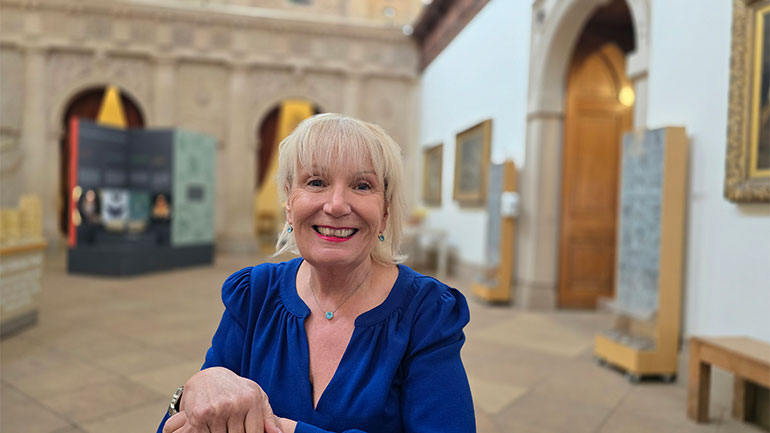
Cancer survivor, Terri Mclean-Bowman, is urging people to help fund Cancer Research UK’s vital work into cancer prevention after being enlisted onto a clinical trial to help prevent bowel cancer in those most at risk




A Leicestershire woman who nursed her mum through cancer while going through treatment herself is taking part in a clinical trial to help prevent bowel cancer in those most at risk.
Terri Mclean-Bowman, from Market Harborough, is part of a trial investigating whether giving aspirin alongside a diabetes drug could help prevent bowel cancer.
Repurposing existing drugs like this is seen as a cheaper and faster way to get new treatments to people who need them.
Terri was invited to join the trial after a routine bowel cancer screening test revealed she had large bowel polyps that needed to be removed.
The 57-year-old charity worker had already nursed her mum through three different cancers and survived breast cancer before finding out that the benign polyps could indicate an increased risk of bowel cancer.
Now she’s backing Cancer Research UK’s call for donations to help people like her live longer, better lives, free from fear of the disease.
The charity’s scientists are at the forefront of breakthroughs in precision prevention – research aiming to find targeted ways to stop cancer before it even starts.
This includes funding a clinical trial, called COLO-PREVENT, headed by Prof Karen Brown at the University of Leicester.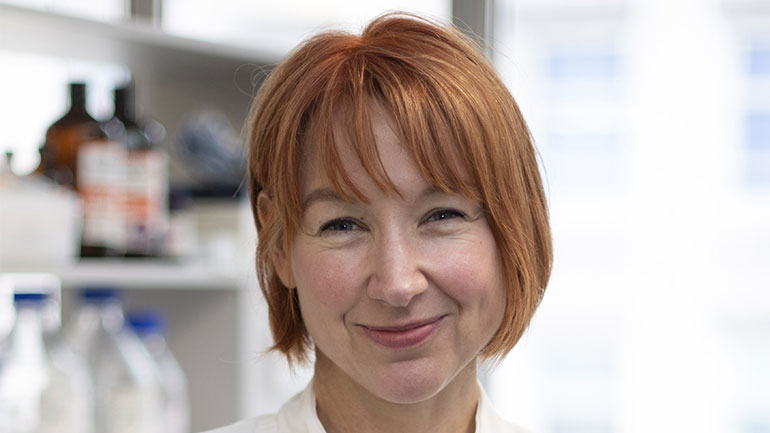
Professor Karen Brown
As part of the trial, scientists are investigating whether aspirin taken either by itself or in combination with a diabetes drug called metformin can prevent bowel polyps which can sometimes turn into cancer. In a separate arm of the same trial, the researchers are also looking at a food supplement called resveratrol - a naturally occurring ingredient found in the skin of red grapes - to see if this can also prevent bowel polyps. Scientists are exploring if taking any of these medicines impacts cancer risk without significant side effects.
For high-risk people like Terri, the COLO-PREVENT trial is inspiring new hope.
“Being on the trial is like getting a warm hug because you feel like someone is protecting you,” said Terri, who is on the aspirin and metformin arm of the trial.
“All I have to do is take extra tablets and attend monitoring appointments. To think that it might be possible to prevent bowel cancer from ever occurring is amazing and I’d encourage anyone who fits the criteria to take part.”
People may be eligible for the trial if they are aged between 50-74 and have had polyps removed following a colonoscopy given as part of the NHS Bowel Cancer Screening Programme.
Terri was diagnosed with breast cancer in October 2013, aged 44, shortly after her wedding to husband Dave.
“I noticed my breast was tender and immediately thought it was due to jumping around in a boned wedding dress without a bra,” said Terri, who now works as a legacy fundraising manager for Cancer Research UK.
“I thought the bone in my dress must have been digging in. But another friend had been diagnosed with breast cancer and she told me to go and get it checked out.
“I had a biopsy and ultrasound and was told I had grade three cancer. It was very quick but, because I’d already nursed my mum, I knew that wasn’t horrific. I’m very pragmatic.”
Terri’s dream honeymoon to Hawaii had to be cancelled as she grappled with treatment alongside caring for her mum Maureen who was 66 at the time.
“Mum was in remission from bladder cancer when we married but we found out she had lung cancer in October 2013 which meant we were going through treatment at the same time,” recalled Terri, whose nan and aunt also had cancer.
“I’d have my chemo in Kettering then I’d drive to her house in Yorkshire to take her for treatment the following week. She’d come back and stay with me until just before my next chemo. It was hard but thankfully I’ve got a great network of friends and family so we were able to manage.”
Terri was off work for a year while she had a cancerous lump removed followed by six lots of intense chemotherapy and 20 rounds of radiotherapy.
Then, just as Terri was finishing treatment in 2014, Maureen found out her cancer had spread to her oesophagus. She died in April that year aged just 67.
“Mum had a heart as big as the sky and a smile that embraced everyone,” said Terri. “It was a tough time but we got through it and I know she’d be delighted to see how far research is progressing now.”
Terri was put on Tamoxifen for ten years which ended in 2024. Then, in June 2025, Terri received her first bowel cancer screening test through the post.
“I sent it back and received a phone call shortly afterwards to say it was abnormal,” said Terri.
“Dave had already had the exact same experience but further tests came back clear so I didn’t panic.”
Terri had a colonoscopy in August 2025 and received results within a few days confirming doctors had removed large polyps from her bowel.
“I got a call after that to say everything was all clear which was great news but they do say polyps can be pre-cancerous and can also come back,” said Terri. “When I got another call two weeks later to ask if I’d be interested in taking part in a clinical trial, I was delighted.
“Past research means I’ve made it to 12 years following breast cancer so that’s already been life changing but - as my family’s experience shows - I can’t take anything for granted.
“That’s why research like the COLO-PREVENT trial is so vital – along with the donations that make it possible. I hope supporters will give what they can so that more people can benefit from the life-changing advances Cancer Research UK scientists are driving forward.”
Terri is now waiting to be screened to see if she might have lynch syndrome - an inherited genetic condition that significantly increases the risk of bowel and other cancers.
Cancer Research UK spokesperson for the Midlands, Paula Young, said: “From understanding cancer’s triggers to developing world-first vaccines and testing anti-cancer drugs, we’re developing more personalised, precise and powerful prevention techniques to stop cancers before they start. But stories like Terri’s bring home the need to fuel faster progress.
“Prevention is one of the most effective ways we can beat cancer and repurposing existing drugs is a cheaper and faster way to get new treatments to the people who need them.
“By preventing the disease, we’re helping to protect families like these from the challenges of a diagnosis, treatment and what follows, so they can focus on the moments that matter.
“That’s why we’re urging people to donate and help us create a future where fewer people hear the words, ‘You have cancer.’”
COLO-PREVENT is currently open to recruiting patients from bowel cancer screening sites across the UK. More than 350 people who had a colonoscopy following bowel cancer screening are already taking part in the trial, which is aiming to recruit 1,339 patients between now and 2029.
Help prevent more cancers by donating at cruk.org/breakthroughs