Leicester research aims to tackle overheating in children’s hospital wards
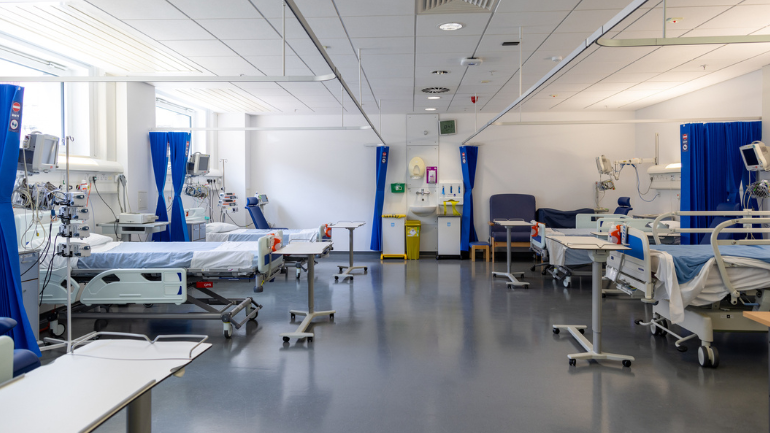




The University of Leicester is part of a study which aims to reduce the health risks posed by children’s hospital wards heating up due to climate change.
Instances of UK children’s hospitals getting too hot have been on the rise, due to an increase in temperatures caused by climate change and many NHS buildings not being designed to cope with higher temperatures.
When wards overheat, it can make children – especially those with conditions like asthma, diabetes or kidney problems – much more unwell. Heat can also impair children's concentration, memory, and ability to process information, while increasing anxiety and emotional distress. It can also disrupt operations, damage equipment, and make it harder for staff to work safely.
Despite this growing problem, it’s still not fully understood which children are most vulnerable, what temperatures are safe, or which cooling solutions work best without affecting infection control or sustainability.
The study, conducted by the University of Sheffield and University of Leicester, aims to ensure all children receive safe, high‑quality hospital care during periods of extreme heat. It has been funded by the National Institute for Health and Care Research Climate Change and Health: Adapting Health and Social Care Systems.
The 10-month study will aim to find out where and when overheating happens in the hospitals, and who is most affected.
The team will work together to compile an index to highlight wards most at risk and test practical, low‑carbon cooling and ventilation adaptation strategies.
By bringing together patients, young people and their families, health system practitioners and managers, and through identifying relevant indicators and routinely collected health data sources, it’s hoped the research will lay the groundwork for a larger national study across multiple NHS children’s hospitals.
The study is being led by Dr Chengzhi Peng from Sheffield’s School of Architecture and Landscape, and will focus on Sheffield Children’s Hospital as a pilot study.
Dr Peng said: “Many of our hospital buildings were not designed to cope with the extreme heat events we now face. Our goal is to move beyond temporary fixes by piloting the Disparity-Aware Paediatric-specific Heat Vulnerability Index (DAP-HVI) methodology. This pioneering tool will integrate building performance data with patient vulnerability factors, allowing us to accurately identify high-risk areas and implement cost-effective sustainable cooling solutions that are proven to be safe, feasible, and equitable for every child receiving care.”
Dr John Richmond, Lecturer in Healthcare Management at the Centre for Healthcare Innovation, Policy and Management at the University of Leicester School of Business is part of the research team.
Dr Richmond said: “I’m looking forward to leading the policy and management strand of this project, bringing together healthcare professionals, NHS managers, sustainability leaders and policymakers to ensure our work aligns with real operational needs and national priorities.
“By better understanding how and why overheating occurs, we can help the NHS develop practical, feasible adaptations that safeguard children’s health in hospitals across the UK.”
Dr Shazia Adalat, a consultant paediatric nephrologist and chair of the Sustainability Group at Evelina London Children’s Hospital, is also part of the research team. She leads the international Climate-Kidneys-Cognition working group, which investigates how climate change affects kidney and brain health.
Dr Suzanne Bartington, Clinical Associate Professor at the University of Birmingham and UKRI Clean Air Champion, is leading the project’s work on patient and public involvement. She will ensure that the voices of children, families, and hospital staff are at the heart of the research to co-design the new cooling strategies.
Dr Bartington said: “By working directly with the people most affected by hospital overheating, we can ensure our solutions are not only scientifically robust but also equitable and practical for real-world use. This project is a vital step in protecting children’s paediatric health outcomes as our climate changes.”
Professor Meena Balasubramanian, Clinical Director of Research at Sheffield Children’s Hospital, said: “With rising temperatures making incidences of hospital overheating more likely in the future, there is much to learn about the potential impacts on both patients and staff. This is an exciting study which will help inform how hospitals can use sustainable solutions to adapt.”