New blood test to detect endometrial (womb) cancer
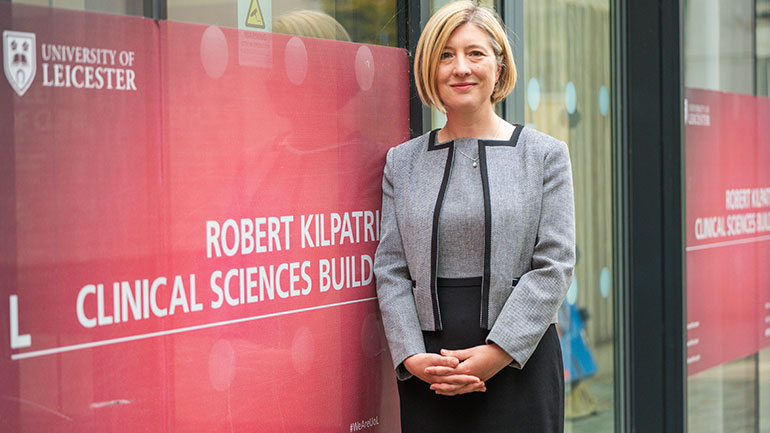
Dr Esther Moss




A pioneering new blood test to detect endometrial cancer has been developed by Gynaecological cancer experts at the University of Leicester and University Hospitals of Leicester NHS Trust.
The ECctDNA test, which looks for fragments of cancer in patients’ blood, makes it easier and far less invasive to detect whether cancer has recurred, removing the need for patients to have to undergo physical examinations, scans and potentially uncomfortable biopsies.
Experts at the University of Leicester and University Hospitals of Leicester NHS Trust have developed the test over the past eight years as part of a study which recruited more than 85 women with endometrial cancer.
Funding for the study came from the Medical Research Council, Hope Against Cancer, which funds cancer research in Leicestershire and Rutland, and the National Institute for Health and Care Research (NIHR) Leicester Biomedical Research Centre, with the results newly published in Precision Medicine.
Endometrial cancer, or womb cancer as it is also known, starts in the lining of the uterus (womb), called the endometrium. It is now the fourth most common cancer in women with around 9,800 diagnosed in the UK every year.
Dr Esther Moss, Consultant Gynaecological Oncologist at the University Hospitals of Leicester NHS Trust and Associate Professor in Gynaecological Oncology at the University of Leicester, led the study.
She said: “We have been able to develop a blood test that can not only diagnose womb cancer recurrence more quickly but can avoid the need for confirmatory invasive biopsies. It can also give important information to the clinical team on the genetic changes that are driving the cancer to recur, which could be used to guide patients’ further treatment’.
“For some patients, a pelvic examination following womb cancer treatment can be associated with severe discomfort and can cause patients distress. These results support the potential role of this blood test to detect endometrial cancer recurrence, and may be an alternative option for patients where physical examination is very challenging.”
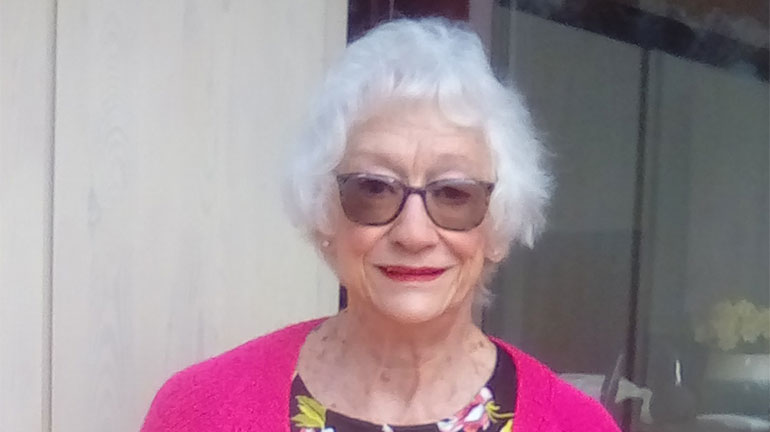
Gillian Stacey
Gillian Stacey, 80 from Leicester, was among those who took part in the study.
She was diagnosed with endometrial cancer 11 years ago after experiencing unexpected bleeding. Her womb was removed by the gynaecological oncology team in Leicester and she received follow-up chemotherapy, radiotherapy and brachytherapy.
She said her initial diagnosis of long-term survival was given as six months but she is still here fighting, even after developing cancer recurrence in the lungs five years later.
Gillian also takes a hormonal cancer therapy drug and said: “I owe my life to Dr Esther Moss. She performed my surgery all those years ago and has been treating me ever since. Initially they thought my cancer was low grade but when they operated they found it was far more advanced.
“When I heard about the trial, I thought it was the least I could do to help others in the long run to get some benefit.
“I’ve had many medical examinations over the years and it can be incredibly invasive. You go through it and you do what you have to do, but if there’s an easier and less traumatic way to diagnose this type of cancer then that would be a wonderful thing.”
Pippa Clarkson, 65, was diagnosed with endometrial cancer nearly nine years ago. She had a full hysterectomy via keyhole surgery, followed by radiotherapy and has received regular check-ups since then.
She also took part in the trial and said: “Being diagnosed with cancer really hit me hard. I think I hid away for a few months and just tried to deal with it inwardly. The procedures for diagnosis and biopsies are incredibly invasive, but obviously you do what you have to do and I’m incredibly grateful to all the medical team and Dr Moss for their expertise. I’m cancer free and so being part of the trial was something I could do to show support. If this means that women like me don’t have to go through further invasive procedures then it’s all worth it.”
Dr Moss, Professor Jacqui Shaw and other scientists at the Leicester Biomedical Research Centre and University of Leicester are now working on the additional validation and quality control checks that are needed to move the ECctDNA test towards use in everyday clinical practice.
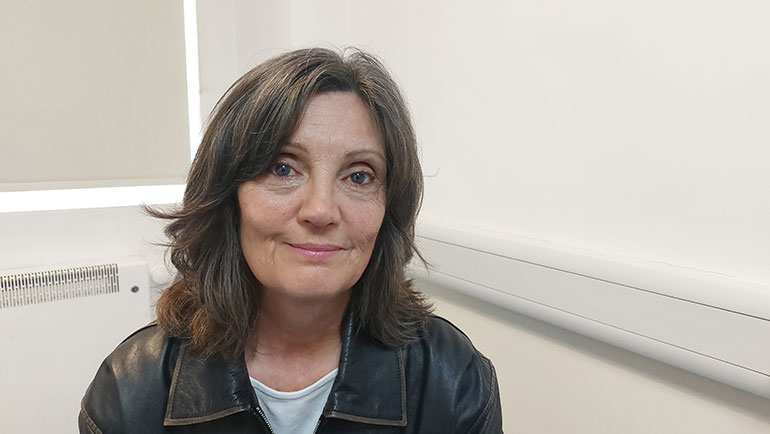
Pippa Clarkson