Child development measure will be adapted to support diversity and inclusion
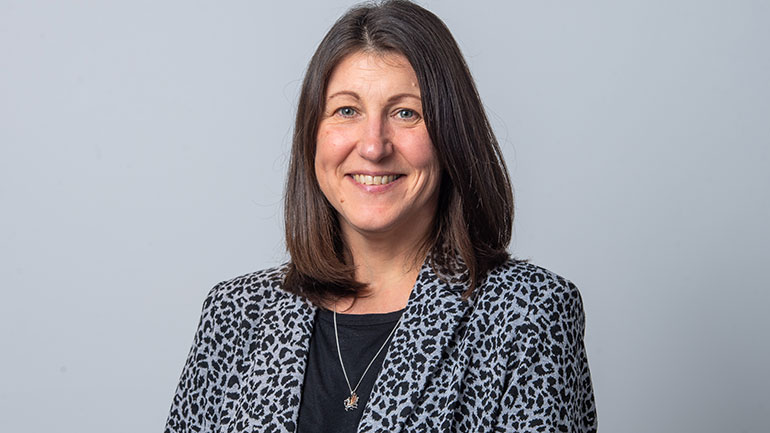
Professor Samantha Johnson




Child development experts at the University of Leicester are adapting a parental questionnaire for toddlers to ensure it covers more languages.
The development of a questionnaire known as the PARCA-R, was led by experts at Leicester to help identify children who have delayed development. It is already widely used in the UK and throughout the world by to help assess children’s development.
Now, thanks to funding from the National Institute for Health and Care Research (NIHR), it will be adapted and translated into five new languages – Polish, Romanian, Urdu, Arabic, and Panjabi - to improve the inclusion of families who don’t speak or read English.
Samantha Johnson, Professor of Child Development at Leicester, who is leading the project alongside colleagues from the Universities of Oxford, Nottingham, Warwick and The Smallest Things charity, said: “This could really transform research and care for families with young children who do not speak or read English well.
“It’s vitally important to check children’s development early in life so that children and families can get the help they need at the right time. Checking development is also important for research, to help find treatments that are useful and safe for children.
“The PARCA-R is used a lot to check children’s development in healthcare services and research. However, some parents who don’t speak or read English well, or at all, cannot use it. This means children’s development may not be checked, or families may not be able to take part in research. To be able to include more families, we want to make the PARCA-R more accessible by making it easier to use and translating it into other languages that are widely used by people in the UK.”The PARCA-R – which stands for Parent Report of Children's Abilities-Revised – assesses children’s cognitive and language development. It will be adapted so that questions about children’s language will measure development equally. This is important because toddlers may learn words at different ages in different languages. The research team will work closely with parents of young children to test the new versions to ensure they are easy to use and understand.
In addition, the team will make the new versions available online, including spoken versions, so that parents who are not able to read well in their own language can still complete the questionnaire. This will have a major impact on improving diversity and inclusion in research and clinical practice for young children.
Catriona Ogilvy from The Smallest Things Charity added: “Checking the early development of children at higher risk of difficulties or delay, including those born prematurely, is an important part of being able to provide the right support at the right time for families.
“Parents tell us that they want clear information about how their child is developing and The Smallest Things is delighted to be part of this important project to improve diversity and inclusion in developmental checks. Every child deserves the best possible start in life, including children whose parents may not speak or read English well, who too often miss out on vital early assessments and support."