University leads first-of-its-kind trial testing diabetes drug for deadly aneurysms
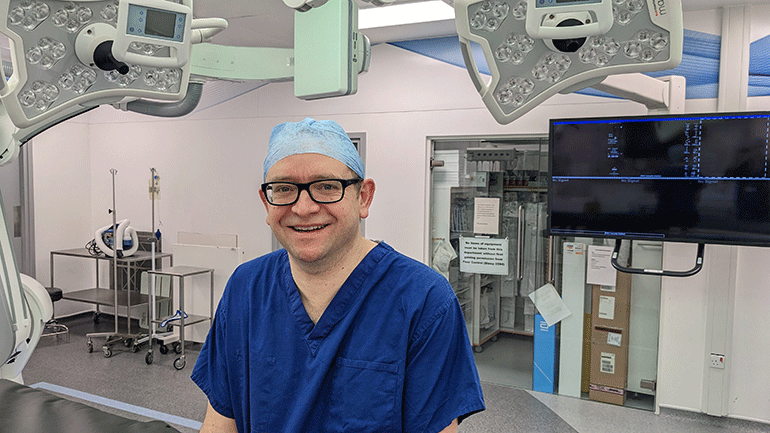
Professor Matt Bown




A Leicestershire farmer is the first person in the UK to join a groundbreaking trial, led by the University of Leicester, to test whether the type 2 diabetes drug metformin can treat deadly abdominal aortic aneurysms (AAA).
Researchers hope that metformin will be the first drug treatment for the condition, which is responsible for around 4,000 deaths a year in the UK.
The largest drug trial for AAA ever – a collaboration between researchers in the UK, Australia and New Zealand, will investigate whether the cheap and common drug can slow or prevent growth of the aneurysms in the body’s largest artery while they are still small and at low risk of rupturing.
Philip Gosling, 80, is among the first to join the UK arm of the trial, which aims to recruit 1,000 patients over two years thanks to a £1.2 million grant from the British Heart Foundation.
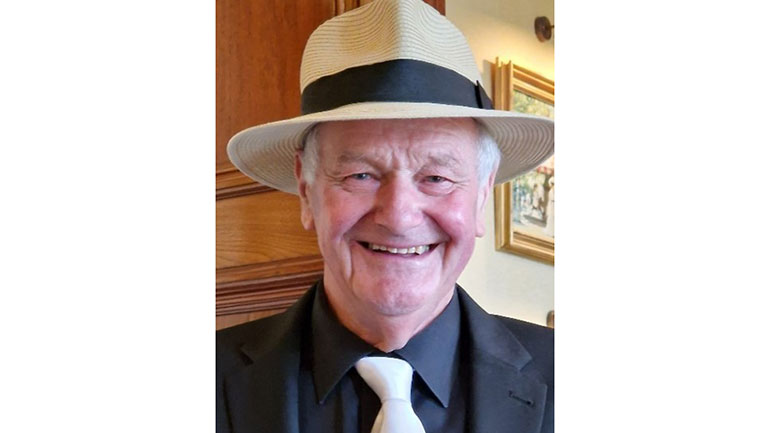
Philip Gosling
Philip said “I’m glad to be on the trial. I believe in research, I see the results of it every day on the farm, where science has changed things so much from when I started. When they told me about the trial I had to get involved.”
Slowing or preventing aneurysm growth could help patients avoid major surgery, which carries its own risks. Surgery is only performed once the aneurysm has grown too large and is at a high risk of a lethal rupture. Research suggests that up to 90 per cent of people with a ruptured AAA die due to massive internal bleeding.
Professor Matt Bown, BHF Professor of Vascular Surgery in the University of Leicester's Department of Cardiovascular Sciences, is leading the UK branch of the trial.
He said: “Evidence suggests metformin could be the treatment for AAA we’ve long been looking for. Research in the lab indicates it could be working to prevent AAA growth by blocking inflammation in the aorta, a key factor that causes AAA enlargement.
“This trial will involve people who can currently do nothing but wait for their aneurysm to grow to a dangerous size. We hope we will prove that daily metformin can be used to treat this group and give them some much-needed peace of mind.”Abdominal aortic aneurysms (AAA) are balloon-like swellings in the abdominal portion of the aorta (the body’s biggest blood vessel) and are easily detected with an ultrasound scan.
The NHS has a screening programme for men aged 65 and over - the group most at risk of developing an AAA. Each year, thousands of people are found to have an AAA in the UK.
Philip is one of these people. His AAA was spotted by chance this year after he went for a scan of his abdomen after experiencing indigestion, and doctors noticed the dangerous swelling in his aorta.
“I was referred to Professor Bown in Leicester. My aneurysm is 4cm wide, so isn’t big enough to operate on. I asked what I could do to stop it growing and that’s when they told me about the trial.”
Although AAA rarely causes symptoms unless it ruptures, Philip has been affected by the diagnosis. He still helps his son on the family farm, but the condition means he has stopped doing certain things such as lifting heavy objects. As with all AAA patients, the main concern is that the swelling gets dangerously large, which would mean a major operation for Philip.
The UK researchers, led from the University of Leicester and involving centres in Edinburgh, Oxford, Leeds, Bristol and London, are randomly assigning men and women with a small AAA to take either metformin or placebo tablets daily until their AAA needs surgical repair, usually at least two years.
Philip started the first stage of the trial in July, where he was given metformin in gradually larger doses over six weeks to check he didn’t have problems with the drug. He is now on the second stage, where he is taking either metformin or a placebo and having regular check-ups to see if his AAA is growing to be dangerously large.
Around 70 per cent of small AAAs eventually grow to over 5.5 centimetres – roughly the size of a lime – when the risk of rupture becomes much higher. Growth of the aneurysm is known to be around 40 per cent lower among patients taking metformin for their type 2 diabetes.
Crucially, in people with diabetes and an AAA, metformin has been shown to lead to a reduced rate of ruptures and surgical repairs.
The trial will test if this is also true for patients without diabetes by comparing the rupture and repair rates in the metformin and placebo groups. Importantly, metformin doesn’t cause problems with blood sugar when given to people who don’t have diabetes.
The trial offers hope that AAA can be treated without surgery, particularly for people who cannot have this surgery, whether this is because of the shape or size of the aneurysm or how close it is to other major blood vessels. For these AAA patients, their aneurysms are untreatable even when they have grown to a dangerous size. Due to their anatomy, women are more likely to encounter this issue than men.
Philip is looking forward to seeing the results of the trial in a few years.
He said “It also means my condition is very closely monitored, which can only be a good thing. Hopefully it will help a lot of people like me in the future.”Professor Bryan Williams, Chief Scientific and Medical Officer at the British Heart Foundation, said: “Abdominal aortic aneurysm increases the risk of rupture of this major blood vessel which can have catastrophic consequences. This is why the NHS has screening programmes. The risk of rupture increases as the size of the aneurysm increases and to date we don't have effective drug treatments to limit the expansion of these aneurysms.
“This is the reason the BHF is supporting this important trial to determine whether a commonly available medication, metformin, usually used for the treatment of diabetes, can limit the expansion of these aneurysms and thus, reduce the risk of rupture.
“This important clinical trial will reveal whether this simple treatment can stop aneurysm growth and if it does, this would be a major breakthrough, providing reassurance for patients affected by this condition."